
Films can inspire change
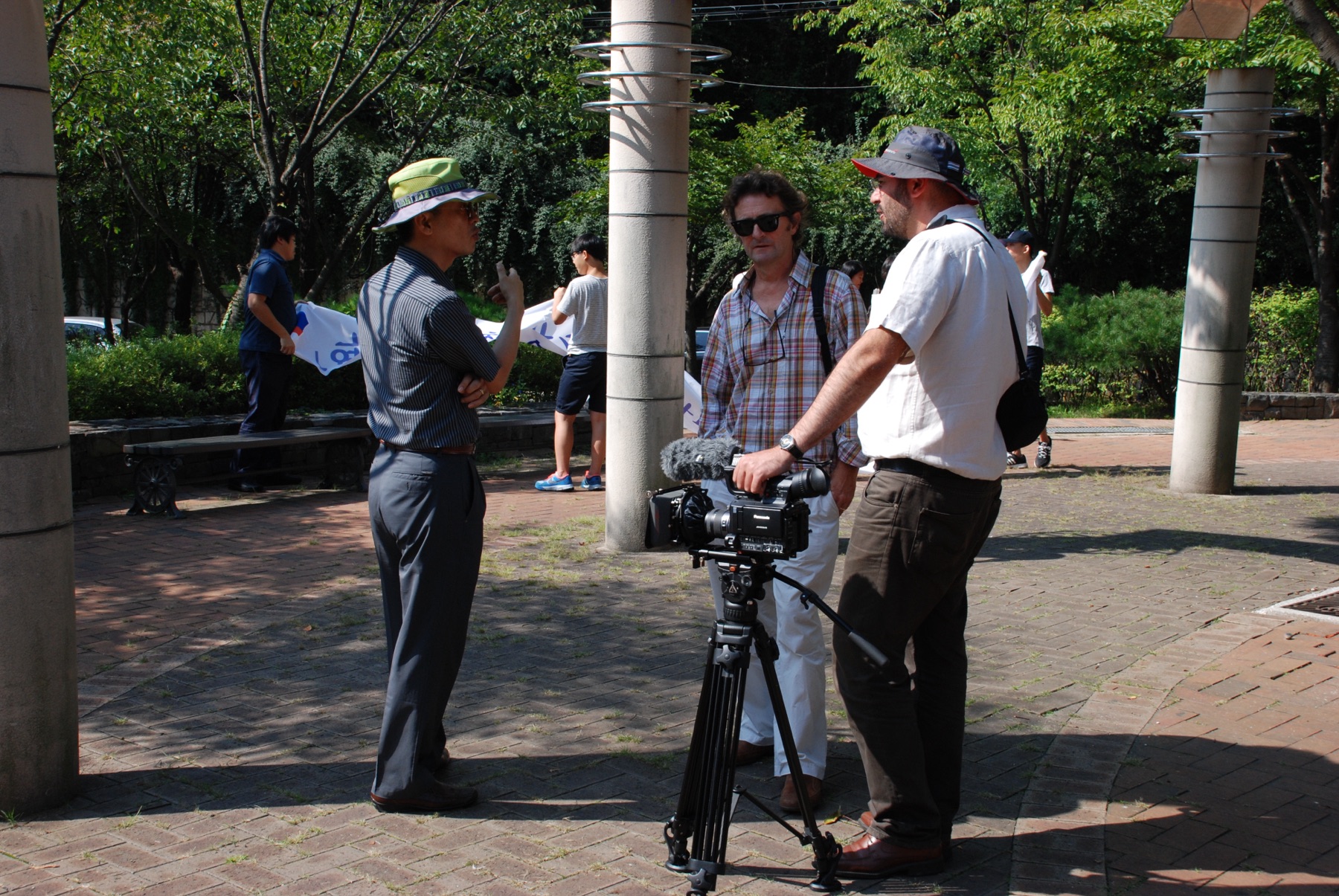
Our world continues to face poverty, conflict, extremism and war. These are not abstract forces — they are lived by real people, in real places, who must somehow find a way to go on. I believe that film can help us see those people. And in seeing them, begin to change.
Born and brought up in Gaza city, Palestine, my journey with filmmaking began when I moved to the United Kingdom in 2002. The late David Channer — who became my mentor and a formative figure in my life — approached me with an idea: a film that might reflect positively on the relationship between the Muslim world and the non-Muslim world in the aftermath of the 11 September 2001 attacks in the United States. Together with his son Alan, we made The Imam and the Pastor, and then its sequel An African Answer. Both went on to win awards. More than that, they showed me what film could do — not just document conflict, but bear witness to the possibility of something beyond it.
That discovery changed me. I found my passion not in the darkness these stories pass through, but in the light they move toward.

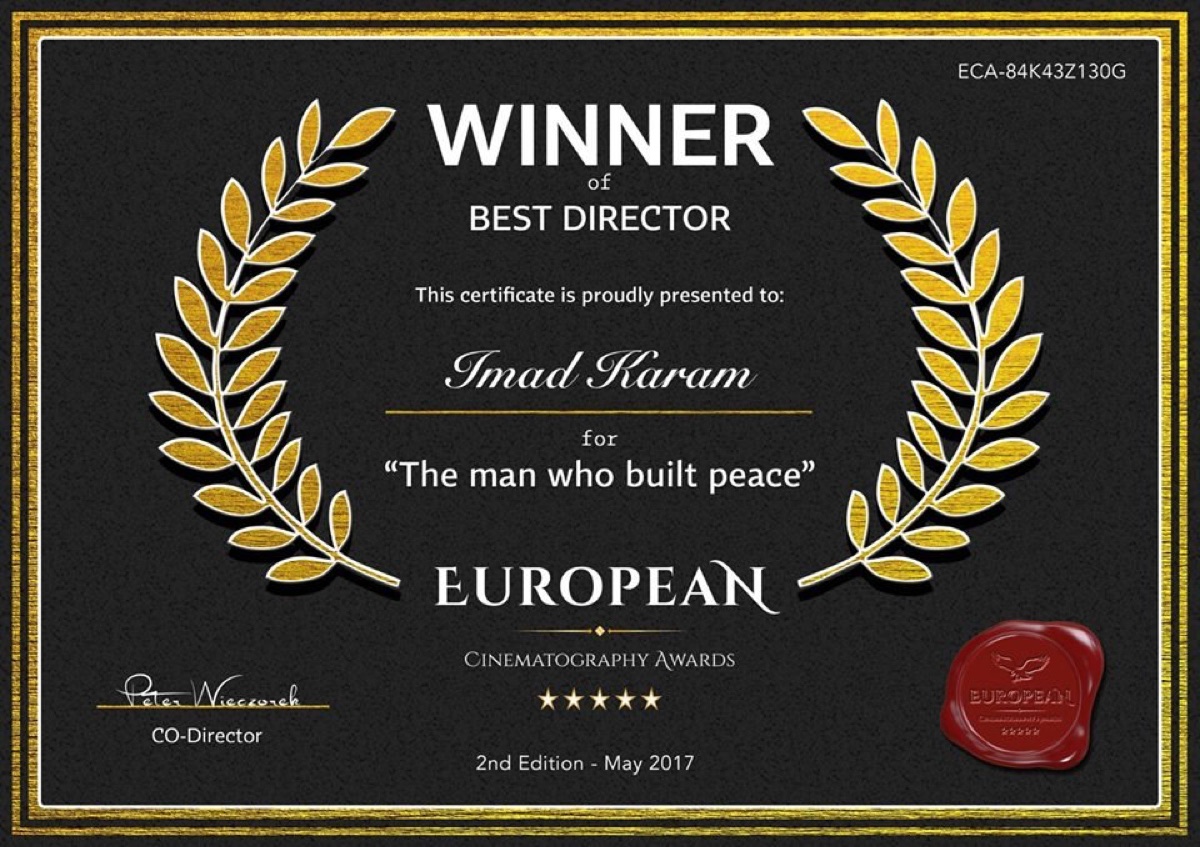
Since then, and alongside other important work that has shaped my life, I have continued making documentaries: Zahra — Change Begins at Home; Beyond Forgiving; The Man Who Built Peace; and most recently The Hardest Bridge. None of this award-winning work has been done alone. I have been accompanied and sustained by many friends and collaborators — Howard Grace, Barry Lowe, John Parker-Rees and Mark Ubsdell, to mention a few whose support and dedication made these films possible.
Reflecting on all of it, I think what has always driven me is a single, stubborn belief: that victims can become survivors, and survivors can become wounded healers. That it is possible to come through. That goodness, hope and humanity are not naïve ideas — they are choices that real people make, often at great cost, and that those choices deserve to be witnessed and remembered.
That belief has now been challenged and tested in the most personal way. Many of my family, friends and relatives in Gaza have been killed and the rest suffered and continue to suffer immensely as a result of the ongoing Israeli genocide. The work I have made about peace, justice and reconciliation is no longer only a vocation. It has become, for me, a necessity.
This is why these films exist. And why I keep making them.
Imad Karam
Film Producer/Director